Buy reiseführer.eu ?
We are moving the project
reiseführer.eu .
Are you interested in purchasing the domain
reiseführer.eu ?
domain@kv-gmbh.de · 0541-91531010
Buy reiseführer.eu ?
Can plants get sick with Seramis?
Plants can get sick with Seramis, as it is a type of growing medium used for potted plants. While Seramis is known for its ability to improve drainage and aeration for plant roots, it is still possible for plants to develop diseases or pest infestations while using Seramis. It is important to monitor the health of plants regularly and take appropriate measures to address any issues that may arise, such as adjusting watering and fertilization, as well as treating any diseases or pests that may affect the plants. **
What is the white fur on Seramis?
The white fur on Seramis is a natural adaptation that helps them blend in with their snowy environment, providing camouflage from predators. This fur also helps to insulate them from the cold temperatures of their habitat, keeping them warm. Additionally, the white fur may serve as a form of communication within their social groups, helping them to recognize each other and maintain social bonds. **


Similar search terms for Seramis
Top-Angebote
Products related to Seramis:
-
Euro Cuisine Greek Yogurt Maker by Euro Cuisine in WhiteNow you can prepare Greek yogurt dishes quickly and easily with Euro Cuisine! This unique strainer kit which is BPA Free transforms up to 2qts of ordinary Euro Cuisine homemade yogurt or store bought yogurt into thick, creamy Greek yogurt in a...29,99 $*Shipping: 11,98 $Secure redirect to the provider
-
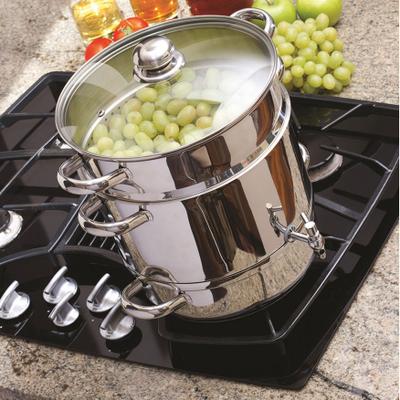
Euro Cuisine Stove Top Steam Juicer by Euro Cuisine in Stainless SteelThe Euro Cuisine Stainless Steel steam juicer, with our specially designed spigot, will extract 100% pure and delicious juice with the power of steam from all sorts of fruit such as Grapes, Apples, Pears, Currants, Raspberries, Strawberries,...99,99 $*Shipping: 23,98 $Secure redirect to the provider
-
Mayberry Rugs American Destination Southwest Area RugThis Hearthside design is perfect for a cabin or lodge as well as any room with a southwest decor. The warm colors and the geometric pattern is sure to make any room complete with a rustic touch.36,99 $*Shipping: 0,00 $Secure redirect to the provider
-
Mayberry Rugs American Destination Lodge Bear RugThis wonderful lodge creation with the bear and tree design is a must for any rustic decor. With the nature-themed pattern, any cabin or lodge living area will be complete with the charming casual feel of this rug.218,04 $*Shipping: 0,00 $Secure redirect to the provider



-
Which plants survive in hydroponics or Seramis?
Plants that typically thrive in hydroponics or Seramis include herbs like basil, mint, and parsley, as well as leafy greens such as lettuce and spinach. These plants have shallow root systems that can easily absorb nutrients from the water or Seramis medium. Additionally, flowering plants like orchids and certain vegetables like tomatoes and peppers can also do well in hydroponic or Seramis setups with proper care and attention to their specific needs. Overall, plants that prefer well-draining, aerated growing conditions tend to be successful in hydroponics or Seramis. **
-
Which houseplants can be planted in Seramis?
Seramis is a type of substrate that is suitable for a wide range of houseplants. Some popular houseplants that can be planted in Seramis include orchids, succulents, cacti, ferns, and tropical plants like peace lilies and spider plants. The porous nature of Seramis helps to provide good aeration and drainage for the roots of these plants, making it a suitable growing medium for a variety of indoor plants. It is important to choose plants that have similar watering and light requirements when planting them in Seramis to ensure they thrive in this substrate. **
-
Should Seramis be reused or thrown away?
Seramis can be reused multiple times as long as it is properly cleaned and maintained. It is a porous material that can hold onto excess water and nutrients, making it a suitable option for reuse in potted plants. However, over time it may become compacted and lose its effectiveness, so it is important to regularly inspect and replace it when necessary. Ultimately, the decision to reuse or throw away Seramis depends on its condition and how well it is able to support plant growth. **
-
Can I use expanded clay instead of Seramis?
Yes, you can use expanded clay as a substitute for Seramis in certain gardening applications. Both expanded clay and Seramis are lightweight, porous materials that can be used as a growing medium for plants. However, it's important to note that expanded clay may not have the same water retention and aeration properties as Seramis, so you may need to adjust your watering and fertilizing routine accordingly. It's always a good idea to test out a small area with expanded clay before using it extensively in your gardening projects. **


Why is there mold after switching to Seramis?
Mold can develop after switching to Seramis because it is a moisture-retaining substrate that can create a more humid environment for plants. If the plants are overwatered or if there is poor air circulation, it can lead to the growth of mold. To prevent mold, it is important to adjust watering practices and ensure proper ventilation for the plants. Additionally, regularly checking the moisture levels in the substrate and allowing it to dry out between waterings can help prevent mold growth. **
What is the difference between Seramis and potting soil?
Seramis is a type of soil substitute made from clay granules that are designed to retain water and nutrients more efficiently than traditional potting soil. It is often used for plants that require good drainage and aeration. Potting soil, on the other hand, is a mixture of organic materials such as peat moss, compost, and perlite that provides nutrients and support for plant growth. Potting soil is more versatile and can be used for a wider range of plants, while Seramis is specifically designed for plants that prefer well-draining soil. **
Top-Angebote
Products related to Seramis:
-
Euro Cuisine Portable Blender by Euro Cuisine in GreenMake delicious smoothies, healthy drinks and treats quickly with your Mini Mixx personal blender by Euro Cuisine. Just add your favorite fruits, vegetables, juice, ice and then press down to blend. When your drink is ready, simply remove the blade...44,99 $*Shipping: 13,98 $Secure redirect to the provider
-
Euro Cuisine 8-Cup Percolator by Euro Cuisine in CopperThe Euro Cuisine 8-Cup model of classic stainless steel percolator with Copper Finish and keep warm function brings coffee making to your kitchen. Piping hot water percolates through the grounds, and pulses up into the glass knob on top to create...69,99 $*Shipping: 16,98 $Secure redirect to the provider
-
Euro Cuisine Greek Yogurt Maker by Euro Cuisine in WhiteNow you can prepare Greek yogurt dishes quickly and easily with Euro Cuisine! This unique strainer kit which is BPA Free transforms up to 2qts of ordinary Euro Cuisine homemade yogurt or store bought yogurt into thick, creamy Greek yogurt in a...29,99 $*Shipping: 11,98 $Secure redirect to the provider
-
Euro Cuisine Stove Top Steam Juicer by Euro Cuisine in Stainless SteelThe Euro Cuisine Stainless Steel steam juicer, with our specially designed spigot, will extract 100% pure and delicious juice with the power of steam from all sorts of fruit such as Grapes, Apples, Pears, Currants, Raspberries, Strawberries,...99,99 $*Shipping: 23,98 $Secure redirect to the provider
-
Can plants get sick with Seramis?
Plants can get sick with Seramis, as it is a type of growing medium used for potted plants. While Seramis is known for its ability to improve drainage and aeration for plant roots, it is still possible for plants to develop diseases or pest infestations while using Seramis. It is important to monitor the health of plants regularly and take appropriate measures to address any issues that may arise, such as adjusting watering and fertilization, as well as treating any diseases or pests that may affect the plants. **
-
What is the white fur on Seramis?
The white fur on Seramis is a natural adaptation that helps them blend in with their snowy environment, providing camouflage from predators. This fur also helps to insulate them from the cold temperatures of their habitat, keeping them warm. Additionally, the white fur may serve as a form of communication within their social groups, helping them to recognize each other and maintain social bonds. **
-
Which plants survive in hydroponics or Seramis?
Plants that typically thrive in hydroponics or Seramis include herbs like basil, mint, and parsley, as well as leafy greens such as lettuce and spinach. These plants have shallow root systems that can easily absorb nutrients from the water or Seramis medium. Additionally, flowering plants like orchids and certain vegetables like tomatoes and peppers can also do well in hydroponic or Seramis setups with proper care and attention to their specific needs. Overall, plants that prefer well-draining, aerated growing conditions tend to be successful in hydroponics or Seramis. **
-
Which houseplants can be planted in Seramis?
Seramis is a type of substrate that is suitable for a wide range of houseplants. Some popular houseplants that can be planted in Seramis include orchids, succulents, cacti, ferns, and tropical plants like peace lilies and spider plants. The porous nature of Seramis helps to provide good aeration and drainage for the roots of these plants, making it a suitable growing medium for a variety of indoor plants. It is important to choose plants that have similar watering and light requirements when planting them in Seramis to ensure they thrive in this substrate. **
Similar search terms for Seramis
-
Mayberry Rugs American Destination Southwest Area RugThis Hearthside design is perfect for a cabin or lodge as well as any room with a southwest decor. The warm colors and the geometric pattern is sure to make any room complete with a rustic touch.36,99 $*Shipping: 0,00 $Secure redirect to the provider
-
Mayberry Rugs American Destination Lodge Bear RugThis wonderful lodge creation with the bear and tree design is a must for any rustic decor. With the nature-themed pattern, any cabin or lodge living area will be complete with the charming casual feel of this rug.218,04 $*Shipping: 0,00 $Secure redirect to the provider
-
Mayberry Rug American Destination Lodge Bear RugEnjoy the warmth of this nature inspired Hearthside rug. The border design will surely be a perfect fit for any cabin or lodge. This rug gives a feeling of warmth with just a slight touch of color. The nature theme is ideal for any rustic decor.107,99 $*Shipping: 0,00 $Secure redirect to the provider
-
Mayberry Rug American Destination Southwest Diamond RugBoasting with a stunning geometric pattern, this rug brings a feeling of warmth with just a slight touch of color. This design lends a southwestern style to your decor. It is perfect for a cabin or lodge as well.41,49 $*Shipping: 0,00 $Secure redirect to the provider
-
Should Seramis be reused or thrown away?
Seramis can be reused multiple times as long as it is properly cleaned and maintained. It is a porous material that can hold onto excess water and nutrients, making it a suitable option for reuse in potted plants. However, over time it may become compacted and lose its effectiveness, so it is important to regularly inspect and replace it when necessary. Ultimately, the decision to reuse or throw away Seramis depends on its condition and how well it is able to support plant growth. **
-
Can I use expanded clay instead of Seramis?
Yes, you can use expanded clay as a substitute for Seramis in certain gardening applications. Both expanded clay and Seramis are lightweight, porous materials that can be used as a growing medium for plants. However, it's important to note that expanded clay may not have the same water retention and aeration properties as Seramis, so you may need to adjust your watering and fertilizing routine accordingly. It's always a good idea to test out a small area with expanded clay before using it extensively in your gardening projects. **
-
Why is there mold after switching to Seramis?
Mold can develop after switching to Seramis because it is a moisture-retaining substrate that can create a more humid environment for plants. If the plants are overwatered or if there is poor air circulation, it can lead to the growth of mold. To prevent mold, it is important to adjust watering practices and ensure proper ventilation for the plants. Additionally, regularly checking the moisture levels in the substrate and allowing it to dry out between waterings can help prevent mold growth. **
-
What is the difference between Seramis and potting soil?
Seramis is a type of soil substitute made from clay granules that are designed to retain water and nutrients more efficiently than traditional potting soil. It is often used for plants that require good drainage and aeration. Potting soil, on the other hand, is a mixture of organic materials such as peat moss, compost, and perlite that provides nutrients and support for plant growth. Potting soil is more versatile and can be used for a wider range of plants, while Seramis is specifically designed for plants that prefer well-draining soil. **
* All prices are inclusive of VAT and, if applicable, plus shipping costs. The offer information is based on the details provided by the respective shop and is updated through automated processes. Real-time updates do not occur, so deviations can occur in individual cases. ** Note: Parts of this content were created by AI.