Buy reiseführer.eu ?
We are moving the project
reiseführer.eu .
Are you interested in purchasing the domain
reiseführer.eu ?
domain@kv-gmbh.de · 0541-91531010
Buy reiseführer.eu ?
How do non-homologous recombination and homologous recombination work?
Non-homologous recombination involves the joining of two DNA molecules at non-homologous sequences, resulting in the insertion, deletion, or rearrangement of genetic material. This process is often error-prone and can lead to mutations. Homologous recombination, on the other hand, involves the exchange of genetic material between two similar DNA molecules, typically occurring during meiosis. This process is important for repairing DNA damage and ensuring genetic diversity. It involves the exchange of genetic material between homologous chromosomes, resulting in the formation of new combinations of genes. **
Are modifications homologous?
Modifications can be homologous if they are derived from a common ancestral modification and have similar functions in different species. For example, the presence of similar modifications in the wings of bats and birds, both of which enable flight, suggests homology. However, modifications can also be analogous, meaning they have similar functions but are not derived from a common ancestor. An example of analogous modifications is the wings of birds and insects, which have different evolutionary origins but serve the same function of flight. **

Similar search terms for Homologous
Top-Angebote
Products related to Homologous:
-
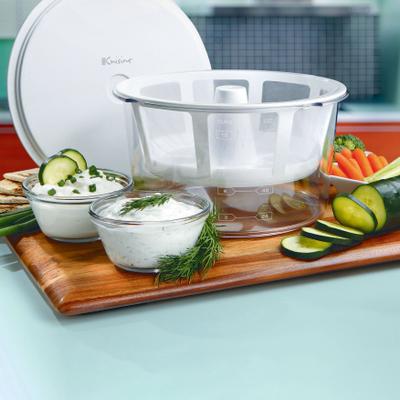
Euro Cuisine Greek Yogurt Maker by Euro Cuisine in WhiteNow you can prepare Greek yogurt dishes quickly and easily with Euro Cuisine! This unique strainer kit which is BPA Free transforms up to 2qts of ordinary Euro Cuisine homemade yogurt or store bought yogurt into thick, creamy Greek yogurt in a...29,99 $*Shipping: 11,98 $Secure redirect to the provider
-
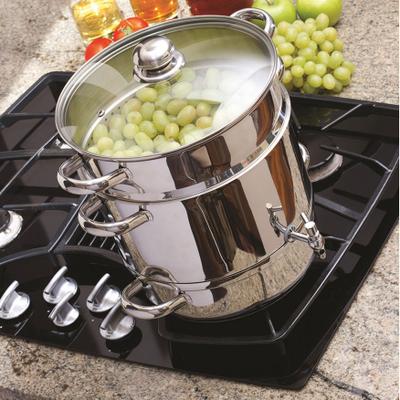
Euro Cuisine Stove Top Steam Juicer by Euro Cuisine in Stainless SteelThe Euro Cuisine Stainless Steel steam juicer, with our specially designed spigot, will extract 100% pure and delicious juice with the power of steam from all sorts of fruit such as Grapes, Apples, Pears, Currants, Raspberries, Strawberries,...99,99 $*Shipping: 23,98 $Secure redirect to the provider
-
Mayberry Rugs American Destination Southwest Area RugThis Hearthside design is perfect for a cabin or lodge as well as any room with a southwest decor. The warm colors and the geometric pattern is sure to make any room complete with a rustic touch.36,99 $*Shipping: 0,00 $Secure redirect to the provider
-
Mayberry Rugs American Destination Lodge Bear RugThis wonderful lodge creation with the bear and tree design is a must for any rustic decor. With the nature-themed pattern, any cabin or lodge living area will be complete with the charming casual feel of this rug.218,04 $*Shipping: 0,00 $Secure redirect to the provider


-
Why are bird feathers homologous?
Bird feathers are homologous because they all share a common evolutionary origin. They are derived from the same structure in the common ancestor of all birds. Despite the variations in size, shape, and color, bird feathers all serve the same fundamental purpose of providing insulation, aiding in flight, and attracting mates. This shared ancestry and function make bird feathers homologous structures. **
-
Can non-homologous chromosomes cross over?
No, non-homologous chromosomes cannot undergo crossing over during meiosis. Crossing over is a process that involves the exchange of genetic material between homologous chromosomes, which are chromosomes that are similar in size, shape, and gene content. Non-homologous chromosomes do not have the necessary similarity in order to undergo crossing over. **
-
Are Maybugs analogous or homologous animals?
Maybugs, also known as cockchafers, are not analogous or homologous to any other animals. They are a unique species of beetle belonging to the family Scarabaeidae. Analogous structures are similar in function but not in structure or evolutionary origin, while homologous structures are similar in structure and evolutionary origin but not necessarily in function. Maybugs do not share these similarities with any other animals, making them a distinct and separate species. **
-
Which homologous organs exist in plants?
Homologous organs in plants are structures that have a common evolutionary origin but may have different functions. Examples of homologous organs in plants include the various types of leaves, such as simple leaves, compound leaves, and scale leaves, which all have a common origin but serve different functions in different plant species. Another example is the different types of flowers, which have a common origin but may have evolved to attract different pollinators or serve different reproductive strategies. Additionally, the various types of stems, such as rhizomes, stolons, and tubers, are also considered homologous organs in plants. **

Are bat wings homologous or analogous?
Bat wings are homologous structures, meaning they share a common evolutionary origin with the wings of other mammals, such as humans and whales. This suggests that bats, humans, and whales all inherited their limb structure from a common ancestor. In contrast, analogous structures are those that have similar functions but different evolutionary origins, such as the wings of birds and insects. **
How do you arrange a homologous series?
To arrange a homologous series, you would start by identifying a common functional group or structural feature that is repeated in each compound. Then, you would organize the compounds in the series based on increasing molecular size or increasing number of repeating units of the functional group. This could involve arranging the compounds in order of increasing carbon chain length, increasing number of double bonds, or increasing number of functional groups. By organizing the compounds in this way, you can easily compare their properties and trends across the series. **
Top-Angebote
Products related to Homologous:
-
Euro Cuisine Portable Blender by Euro Cuisine in GreenMake delicious smoothies, healthy drinks and treats quickly with your Mini Mixx personal blender by Euro Cuisine. Just add your favorite fruits, vegetables, juice, ice and then press down to blend. When your drink is ready, simply remove the blade...44,99 $*Shipping: 13,98 $Secure redirect to the provider
-
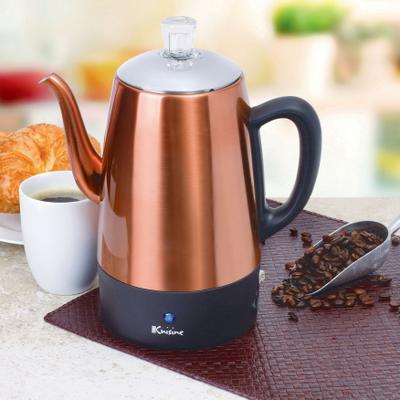
Euro Cuisine 8-Cup Percolator by Euro Cuisine in CopperThe Euro Cuisine 8-Cup model of classic stainless steel percolator with Copper Finish and keep warm function brings coffee making to your kitchen. Piping hot water percolates through the grounds, and pulses up into the glass knob on top to create...69,99 $*Shipping: 16,98 $Secure redirect to the provider
-
Euro Cuisine Greek Yogurt Maker by Euro Cuisine in WhiteNow you can prepare Greek yogurt dishes quickly and easily with Euro Cuisine! This unique strainer kit which is BPA Free transforms up to 2qts of ordinary Euro Cuisine homemade yogurt or store bought yogurt into thick, creamy Greek yogurt in a...29,99 $*Shipping: 11,98 $Secure redirect to the provider
-
Euro Cuisine Stove Top Steam Juicer by Euro Cuisine in Stainless SteelThe Euro Cuisine Stainless Steel steam juicer, with our specially designed spigot, will extract 100% pure and delicious juice with the power of steam from all sorts of fruit such as Grapes, Apples, Pears, Currants, Raspberries, Strawberries,...99,99 $*Shipping: 23,98 $Secure redirect to the provider
-
How do non-homologous recombination and homologous recombination work?
Non-homologous recombination involves the joining of two DNA molecules at non-homologous sequences, resulting in the insertion, deletion, or rearrangement of genetic material. This process is often error-prone and can lead to mutations. Homologous recombination, on the other hand, involves the exchange of genetic material between two similar DNA molecules, typically occurring during meiosis. This process is important for repairing DNA damage and ensuring genetic diversity. It involves the exchange of genetic material between homologous chromosomes, resulting in the formation of new combinations of genes. **
-
Are modifications homologous?
Modifications can be homologous if they are derived from a common ancestral modification and have similar functions in different species. For example, the presence of similar modifications in the wings of bats and birds, both of which enable flight, suggests homology. However, modifications can also be analogous, meaning they have similar functions but are not derived from a common ancestor. An example of analogous modifications is the wings of birds and insects, which have different evolutionary origins but serve the same function of flight. **
-
Why are bird feathers homologous?
Bird feathers are homologous because they all share a common evolutionary origin. They are derived from the same structure in the common ancestor of all birds. Despite the variations in size, shape, and color, bird feathers all serve the same fundamental purpose of providing insulation, aiding in flight, and attracting mates. This shared ancestry and function make bird feathers homologous structures. **
-
Can non-homologous chromosomes cross over?
No, non-homologous chromosomes cannot undergo crossing over during meiosis. Crossing over is a process that involves the exchange of genetic material between homologous chromosomes, which are chromosomes that are similar in size, shape, and gene content. Non-homologous chromosomes do not have the necessary similarity in order to undergo crossing over. **
Similar search terms for Homologous
-
Mayberry Rugs American Destination Southwest Area RugThis Hearthside design is perfect for a cabin or lodge as well as any room with a southwest decor. The warm colors and the geometric pattern is sure to make any room complete with a rustic touch.36,99 $*Shipping: 0,00 $Secure redirect to the provider
-
Mayberry Rugs American Destination Lodge Bear RugThis wonderful lodge creation with the bear and tree design is a must for any rustic decor. With the nature-themed pattern, any cabin or lodge living area will be complete with the charming casual feel of this rug.218,04 $*Shipping: 0,00 $Secure redirect to the provider
-
Are Maybugs analogous or homologous animals?
Maybugs, also known as cockchafers, are not analogous or homologous to any other animals. They are a unique species of beetle belonging to the family Scarabaeidae. Analogous structures are similar in function but not in structure or evolutionary origin, while homologous structures are similar in structure and evolutionary origin but not necessarily in function. Maybugs do not share these similarities with any other animals, making them a distinct and separate species. **
-
Which homologous organs exist in plants?
Homologous organs in plants are structures that have a common evolutionary origin but may have different functions. Examples of homologous organs in plants include the various types of leaves, such as simple leaves, compound leaves, and scale leaves, which all have a common origin but serve different functions in different plant species. Another example is the different types of flowers, which have a common origin but may have evolved to attract different pollinators or serve different reproductive strategies. Additionally, the various types of stems, such as rhizomes, stolons, and tubers, are also considered homologous organs in plants. **
-
Are bat wings homologous or analogous?
Bat wings are homologous structures, meaning they share a common evolutionary origin with the wings of other mammals, such as humans and whales. This suggests that bats, humans, and whales all inherited their limb structure from a common ancestor. In contrast, analogous structures are those that have similar functions but different evolutionary origins, such as the wings of birds and insects. **
-
How do you arrange a homologous series?
To arrange a homologous series, you would start by identifying a common functional group or structural feature that is repeated in each compound. Then, you would organize the compounds in the series based on increasing molecular size or increasing number of repeating units of the functional group. This could involve arranging the compounds in order of increasing carbon chain length, increasing number of double bonds, or increasing number of functional groups. By organizing the compounds in this way, you can easily compare their properties and trends across the series. **
* All prices are inclusive of VAT and, if applicable, plus shipping costs. The offer information is based on the details provided by the respective shop and is updated through automated processes. Real-time updates do not occur, so deviations can occur in individual cases. ** Note: Parts of this content were created by AI.