Buy reiseführer.eu ?
We are moving the project
reiseführer.eu .
Are you interested in purchasing the domain
reiseführer.eu ?
domain@kv-gmbh.de · 0541-91531010
Buy reiseführer.eu ?
What is the difference between historical culture and memory culture?
Historical culture refers to the collective understanding and interpretation of historical events, traditions, and customs within a society. It encompasses the tangible and intangible aspects of a society's past, including artifacts, monuments, and rituals. Memory culture, on the other hand, focuses on the ways in which a society actively engages with and remembers its history. It involves the processes of commemoration, memorialization, and the transmission of historical knowledge through storytelling, education, and public discourse. While historical culture is the broader framework of a society's historical identity, memory culture is the active, dynamic practice of remembering and interpreting that history. **
What is the difference between assimilation and accommodation?
Assimilation and accommodation are two key concepts in Jean Piaget's theory of cognitive development. Assimilation is the process of incorporating new information into existing schemas, while accommodation involves modifying existing schemas to incorporate new information that cannot be assimilated. In other words, assimilation is like fitting new information into existing mental frameworks, whereas accommodation is about changing those frameworks to make room for new information. Both processes are essential for cognitive growth and adaptation to new experiences. **


Similar search terms for Difference
Top-Angebote
Products related to Difference:
-
Elisabeth Arden Visible Difference Refining Complex MoisturizingHealth and Beauty Creams Elizabeth Arden Visible Difference Refining Complex Moisturizing This classic formula protects skin with moisture and provides an occlusive barrier to prevent moisture loss. Seeing is believing. Testing shows a significant reduction in the appearance of fine lines of dryness and a dramatic improvement in the appearance of the skin. Dermatologist, allergy and clinically tested. How to use: Apply daily to the face and throat, in the morning and/or at night.14,68 £*Shipping: 3,99 £Secure redirect to the provider
-
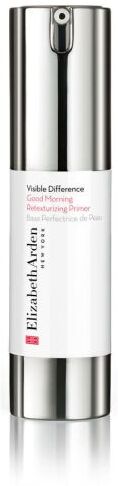
Elisabeth Arden Visible Difference Good Morning Retexturizing PrimerHealth and Beauty Face and Cheeks Elizabeth Arden Visible Difference Good Morning Retexturizing Primer Our retexturizing primer helps you show off your best face with a proven blend of boosting botanicals and vitamin A. Wake up your skin without weighing it down. Skin feels soft, smooth and fresh all day. and you will love the softness and naturalness of your makeup. How to use: Apply to clean face.13,50 £*Shipping: 3,99 £Secure redirect to the provider
-
Axis Spot The Difference Facial Blemish Treatment 15mLA skin-care product for oily or blemish-prone skin. Spot The Difference Blemish Treatment is expertly formulated for acne-prone, oily, and sensitive skin, providing effective relief from breakouts and blemishes. This light gel texture glides onto the skin, delivering hydration while restoring the skin barrier.14,97 £*Shipping: 4,12 £Secure redirect to the provider
-
Elisabeth Arden Visible Difference Facial Replenishing Hydragel Complex 75mLA skin-care product. It a refreshing, oil-free water gel that provides 24-hour hydration while minimizing the appearance of pores. 24-hour hydration for all skin types. Minimizes the appearance of pores. Leaves skin feeling smooth and refreshed. Sodium Hyaluronate: Provides intense hydration. Mushroom Extract: Tightens pores and refines skin texture.27,84 £*Shipping: 5,22 £Secure redirect to the provider



-
What is the difference between German and Turkish cuisine?
German cuisine is known for its hearty and meat-heavy dishes, such as sausages, schnitzel, and sauerkraut. It also includes a variety of breads and pastries. On the other hand, Turkish cuisine is characterized by its use of fresh vegetables, herbs, and spices, as well as dishes like kebabs, baklava, and borek. Turkish cuisine also features a wider variety of vegetarian and vegan options compared to German cuisine. Additionally, Turkish cuisine often incorporates Middle Eastern and Mediterranean influences, while German cuisine is more influenced by Central European flavors. **
-
What is the difference between Japanese and Chinese cuisine?
Japanese cuisine tends to focus on the natural flavors of the ingredients, with an emphasis on presentation and balance. It often includes raw fish, rice, and noodles, and uses ingredients like soy sauce, miso, and seaweed. Chinese cuisine, on the other hand, is more diverse and can vary greatly depending on the region. It often includes a wide range of flavors and cooking techniques, with a focus on using ingredients like soy sauce, ginger, garlic, and various spices. Additionally, Chinese cuisine often includes a wider variety of meats and vegetables, and can be more heavily seasoned and sauced compared to Japanese cuisine. **
-
What is the difference between Indian and Oriental cuisine?
Indian cuisine and Oriental cuisine are both broad categories that encompass a wide variety of flavors and cooking styles. However, there are some key differences between the two. Indian cuisine is known for its use of aromatic spices and bold flavors, with dishes often featuring a combination of sweet, savory, and spicy elements. On the other hand, Oriental cuisine, which includes Chinese, Japanese, Thai, and Korean cuisines, tends to focus more on the balance of flavors and textures, with an emphasis on fresh ingredients and subtle seasoning. Additionally, Indian cuisine often includes a variety of breads such as naan and roti, while Oriental cuisine typically features rice or noodles as the staple carbohydrate. **
-
What is the difference between low culture and high culture in history?
Low culture refers to the cultural activities and products that are considered to be more common, popular, and easily accessible to the general public. This can include things like popular music, television shows, and mass-produced literature. On the other hand, high culture refers to the cultural activities and products that are considered to be more refined, sophisticated, and often associated with the elite or educated classes. This can include things like classical music, fine art, and literature that is considered to be more intellectually challenging. The distinction between low and high culture has been a source of debate and has evolved over time, but it generally reflects the social and class divisions within a society. **


What does Cuban cuisine and eating culture look like?
Cuban cuisine is a fusion of Spanish, African, and Caribbean influences, resulting in a diverse and flavorful culinary tradition. Common ingredients include rice, beans, plantains, and various meats such as pork and chicken. Popular dishes include ropa vieja (shredded beef), arroz con pollo (chicken with rice), and lechón asado (roast pork). Eating culture in Cuba is centered around family and community, with meals often being a social and communal experience. It is common for Cubans to share meals with extended family and friends, and food is an important part of social gatherings and celebrations. **
What is the difference between culture and tradition?
Culture refers to the beliefs, customs, arts, and social behaviors of a particular group of people, encompassing a broader range of practices and values. On the other hand, tradition specifically refers to the customs and practices that are passed down from generation to generation within a specific community or society. While culture is more dynamic and can evolve over time, traditions tend to be more static and rooted in history and heritage. **
Top-Angebote
Products related to Difference:
-
Elisabeth Arden Visible Difference Hydragel 75ml 75mlCombat dry skin once and for all with the Visible Difference Replenishing HydraGel Complex. This lightweight, oil-free gel cream melts into skin to deliver an immediate cooling effect and provide continuous hydration for a full 24 hours. Formulated with Hyaluronic Acid and botanicals like Tree Mushroom Extract, Visible Difference Replenishing HydraGel evens skin tone and texture, minimizes the appearance of fine lines and wrinkles, and leaves skin looking moisturised, smooth and glowing. This oil-free water gel is formulated to plump skin with 24-hour hydration and refine the look of pores. Size: 75ml14,25 £*Shipping: 3,99 £Secure redirect to the provider
-
Elisabeth Arden Visible Difference Refining Complex MoisturizingHealth and Beauty Creams Elizabeth Arden Visible Difference Refining Complex Moisturizing This classic formula protects skin with moisture and provides an occlusive barrier to prevent moisture loss. Seeing is believing. Testing shows a significant reduction in the appearance of fine lines of dryness and a dramatic improvement in the appearance of the skin. Dermatologist, allergy and clinically tested. How to use: Apply daily to the face and throat, in the morning and/or at night.14,68 £*Shipping: 3,99 £Secure redirect to the provider
-
Elisabeth Arden Visible Difference Good Morning Retexturizing PrimerHealth and Beauty Face and Cheeks Elizabeth Arden Visible Difference Good Morning Retexturizing Primer Our retexturizing primer helps you show off your best face with a proven blend of boosting botanicals and vitamin A. Wake up your skin without weighing it down. Skin feels soft, smooth and fresh all day. and you will love the softness and naturalness of your makeup. How to use: Apply to clean face.13,50 £*Shipping: 3,99 £Secure redirect to the provider
-
What is the difference between historical culture and memory culture?
Historical culture refers to the collective understanding and interpretation of historical events, traditions, and customs within a society. It encompasses the tangible and intangible aspects of a society's past, including artifacts, monuments, and rituals. Memory culture, on the other hand, focuses on the ways in which a society actively engages with and remembers its history. It involves the processes of commemoration, memorialization, and the transmission of historical knowledge through storytelling, education, and public discourse. While historical culture is the broader framework of a society's historical identity, memory culture is the active, dynamic practice of remembering and interpreting that history. **
-
What is the difference between assimilation and accommodation?
Assimilation and accommodation are two key concepts in Jean Piaget's theory of cognitive development. Assimilation is the process of incorporating new information into existing schemas, while accommodation involves modifying existing schemas to incorporate new information that cannot be assimilated. In other words, assimilation is like fitting new information into existing mental frameworks, whereas accommodation is about changing those frameworks to make room for new information. Both processes are essential for cognitive growth and adaptation to new experiences. **
-
What is the difference between German and Turkish cuisine?
German cuisine is known for its hearty and meat-heavy dishes, such as sausages, schnitzel, and sauerkraut. It also includes a variety of breads and pastries. On the other hand, Turkish cuisine is characterized by its use of fresh vegetables, herbs, and spices, as well as dishes like kebabs, baklava, and borek. Turkish cuisine also features a wider variety of vegetarian and vegan options compared to German cuisine. Additionally, Turkish cuisine often incorporates Middle Eastern and Mediterranean influences, while German cuisine is more influenced by Central European flavors. **
-
What is the difference between Japanese and Chinese cuisine?
Japanese cuisine tends to focus on the natural flavors of the ingredients, with an emphasis on presentation and balance. It often includes raw fish, rice, and noodles, and uses ingredients like soy sauce, miso, and seaweed. Chinese cuisine, on the other hand, is more diverse and can vary greatly depending on the region. It often includes a wide range of flavors and cooking techniques, with a focus on using ingredients like soy sauce, ginger, garlic, and various spices. Additionally, Chinese cuisine often includes a wider variety of meats and vegetables, and can be more heavily seasoned and sauced compared to Japanese cuisine. **
Similar search terms for Difference
-
Axis Spot The Difference Facial Blemish Treatment 15mLA skin-care product for oily or blemish-prone skin. Spot The Difference Blemish Treatment is expertly formulated for acne-prone, oily, and sensitive skin, providing effective relief from breakouts and blemishes. This light gel texture glides onto the skin, delivering hydration while restoring the skin barrier.14,97 £*Shipping: 4,12 £Secure redirect to the provider
-
Elisabeth Arden Visible Difference Facial Replenishing Hydragel Complex 75mLA skin-care product. It a refreshing, oil-free water gel that provides 24-hour hydration while minimizing the appearance of pores. 24-hour hydration for all skin types. Minimizes the appearance of pores. Leaves skin feeling smooth and refreshed. Sodium Hyaluronate: Provides intense hydration. Mushroom Extract: Tightens pores and refines skin texture.27,84 £*Shipping: 5,22 £Secure redirect to the provider
-
Farmstay Visible Difference hand cream with collagen 100 mlFarmstay Visible Difference, 100 ml, Hand Creams for Women, Manicured hands are your calling card. This cream from FarmstayVisible Difference takes care of their perfectly soft and hydrated skin. It provides your hands with long-lasting nourishment as well as softening them and protecting against dryness, so they stay beautiful all day long. Characteristics: prevents skin from drying out reduces the signs of skin ageing leaves the skin soft and smooth is absorbed quickly How to use: Apply hand cream as needed and massage until the cream is absorbed.1,87 £*Shipping: 3,99 £Secure redirect to the provider
-
What is the difference between Indian and Oriental cuisine?
Indian cuisine and Oriental cuisine are both broad categories that encompass a wide variety of flavors and cooking styles. However, there are some key differences between the two. Indian cuisine is known for its use of aromatic spices and bold flavors, with dishes often featuring a combination of sweet, savory, and spicy elements. On the other hand, Oriental cuisine, which includes Chinese, Japanese, Thai, and Korean cuisines, tends to focus more on the balance of flavors and textures, with an emphasis on fresh ingredients and subtle seasoning. Additionally, Indian cuisine often includes a variety of breads such as naan and roti, while Oriental cuisine typically features rice or noodles as the staple carbohydrate. **
-
What is the difference between low culture and high culture in history?
Low culture refers to the cultural activities and products that are considered to be more common, popular, and easily accessible to the general public. This can include things like popular music, television shows, and mass-produced literature. On the other hand, high culture refers to the cultural activities and products that are considered to be more refined, sophisticated, and often associated with the elite or educated classes. This can include things like classical music, fine art, and literature that is considered to be more intellectually challenging. The distinction between low and high culture has been a source of debate and has evolved over time, but it generally reflects the social and class divisions within a society. **
-
What does Cuban cuisine and eating culture look like?
Cuban cuisine is a fusion of Spanish, African, and Caribbean influences, resulting in a diverse and flavorful culinary tradition. Common ingredients include rice, beans, plantains, and various meats such as pork and chicken. Popular dishes include ropa vieja (shredded beef), arroz con pollo (chicken with rice), and lechón asado (roast pork). Eating culture in Cuba is centered around family and community, with meals often being a social and communal experience. It is common for Cubans to share meals with extended family and friends, and food is an important part of social gatherings and celebrations. **
-
What is the difference between culture and tradition?
Culture refers to the beliefs, customs, arts, and social behaviors of a particular group of people, encompassing a broader range of practices and values. On the other hand, tradition specifically refers to the customs and practices that are passed down from generation to generation within a specific community or society. While culture is more dynamic and can evolve over time, traditions tend to be more static and rooted in history and heritage. **
* All prices are inclusive of VAT and, if applicable, plus shipping costs. The offer information is based on the details provided by the respective shop and is updated through automated processes. Real-time updates do not occur, so deviations can occur in individual cases. ** Note: Parts of this content were created by AI.