Buy reiseführer.eu ?
We are moving the project
reiseführer.eu .
Are you interested in purchasing the domain
reiseführer.eu ?
domain@kv-gmbh.de · 0541-91531010
Buy reiseführer.eu ?
Is the astrophotography image overexposed?
It is difficult to determine if the astrophotography image is overexposed without seeing the specific image in question. However, astrophotography often involves long exposure times to capture faint celestial objects, which can lead to overexposure if not properly managed. Overexposure in astrophotography can result in loss of detail and washed-out images. It is important to carefully adjust exposure settings and use techniques such as stacking multiple exposures to capture the desired level of detail without overexposing the image. **
Which adapters are suitable for astrophotography?
For astrophotography, it is important to use adapters that are specifically designed for connecting cameras to telescopes or other optical equipment. T-ring adapters are commonly used to attach DSLR cameras to telescopes, allowing for direct connection and precise focusing. Additionally, there are specialized adapters for attaching dedicated astronomy cameras to telescopes, providing a secure and stable connection for capturing high-quality images of celestial objects. It is important to choose adapters that are compatible with both the camera and telescope being used for astrophotography in order to achieve the best results. **

Similar search terms for Astrophotography
Top-Angebote
Products related to Astrophotography:
-
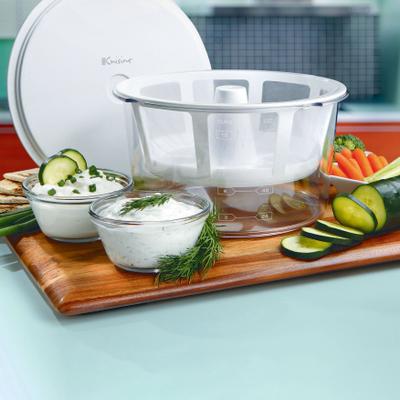
Euro Cuisine Greek Yogurt Maker by Euro Cuisine in WhiteNow you can prepare Greek yogurt dishes quickly and easily with Euro Cuisine! This unique strainer kit which is BPA Free transforms up to 2qts of ordinary Euro Cuisine homemade yogurt or store bought yogurt into thick, creamy Greek yogurt in a...29,99 $*Shipping: 11,98 $Secure redirect to the provider
-
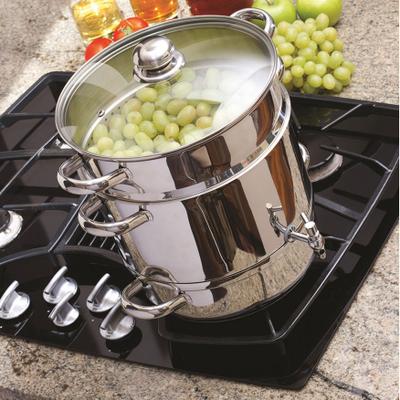
Euro Cuisine Stove Top Steam Juicer by Euro Cuisine in Stainless SteelThe Euro Cuisine Stainless Steel steam juicer, with our specially designed spigot, will extract 100% pure and delicious juice with the power of steam from all sorts of fruit such as Grapes, Apples, Pears, Currants, Raspberries, Strawberries,...99,99 $*Shipping: 23,98 $Secure redirect to the provider
-
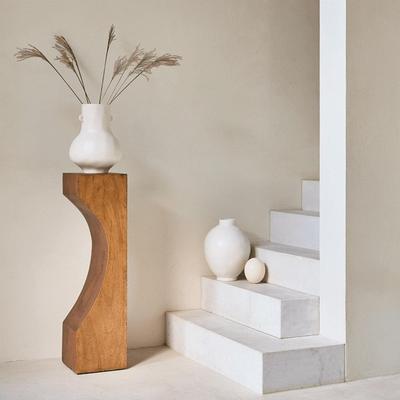
Urban Nature Culture Vase RelaxedQuiet elegancy comes to life in Urban Nature Culture's vase Relaxed. Handmade in Portugal, this ceramic vase has a shape beyond anything you've seen - it's organic, it flows and steals your heart with its playful ear.123,40 $*Shipping: 0,00 $Secure redirect to the provider
-
'How do you stack in astrophotography?'
In astrophotography, stacking refers to the process of combining multiple images of the same celestial object to improve the overall quality of the final image. By stacking multiple images, the signal-to-noise ratio is improved, resulting in a cleaner and more detailed final image. This process also helps to reduce the impact of random noise and imperfections in individual images, resulting in a sharper and more detailed final image. Stacking can be done using specialized software that aligns and combines the individual frames, resulting in a final image that showcases the beauty of the night sky in stunning detail. **
-
Which camera is suitable for astrophotography?
For astrophotography, a camera with a large sensor and high ISO capabilities is ideal. Full-frame DSLR or mirrorless cameras are popular choices due to their ability to capture more light and produce less noise in low-light conditions. Additionally, a camera with manual exposure controls and the ability to shoot in RAW format is beneficial for capturing the intricate details of celestial objects. Some popular options for astrophotography include the Sony A7S series, Nikon D850, and Canon EOS 6D Mark II. **
-
What is an astrophotography camera software?
An astrophotography camera software is a specialized program designed to control and enhance the performance of cameras used for capturing images of celestial objects. These software tools often provide features such as remote camera control, image stacking, and post-processing capabilities to help astrophotographers achieve high-quality results. By using astrophotography camera software, photographers can adjust camera settings, capture long-exposure images, and process the final images to bring out details of stars, planets, galaxies, and other astronomical subjects. **
-
Which pharmacy is suitable for astrophotography?
A pharmacy located in a rural area with minimal light pollution would be suitable for astrophotography. Light pollution from urban areas can interfere with capturing clear and detailed images of the night sky. Therefore, a pharmacy in a remote or rural location, away from city lights, would provide a better environment for astrophotography. Additionally, pharmacies located at higher altitudes or with clear, open views of the night sky would also be ideal for astrophotography. **

What images can I achieve in astrophotography?
In astrophotography, you can capture stunning images of celestial objects such as stars, planets, galaxies, nebulae, and the moon. With the right equipment and techniques, you can also photograph phenomena like meteor showers, auroras, and even the International Space Station passing overhead. The possibilities in astrophotography are endless, allowing you to create breathtaking images of the wonders of the universe. **
Is a mirror lens suitable for astrophotography?
A mirror lens can be suitable for astrophotography, especially for capturing objects like the moon and certain bright stars. Mirror lenses are compact, lightweight, and typically have a long focal length, making them useful for capturing distant objects in the night sky. However, they may not provide the same level of image quality or sharpness as traditional lenses, and they can produce a donut-shaped bokeh effect in out-of-focus areas. Overall, while mirror lenses can be a cost-effective option for astrophotography, they may not be the best choice for capturing detailed or high-quality images of celestial objects. **
Top-Angebote
Products related to Astrophotography:
-
Euro Cuisine Portable Blender by Euro Cuisine in GreenMake delicious smoothies, healthy drinks and treats quickly with your Mini Mixx personal blender by Euro Cuisine. Just add your favorite fruits, vegetables, juice, ice and then press down to blend. When your drink is ready, simply remove the blade...44,99 $*Shipping: 13,98 $Secure redirect to the provider
-
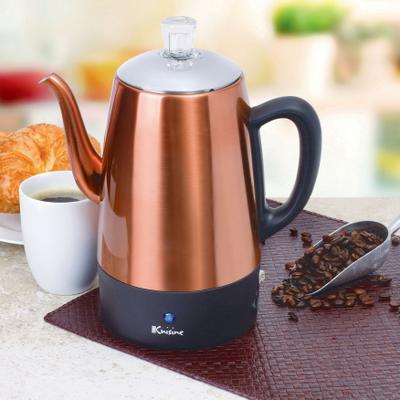
Euro Cuisine 8-Cup Percolator by Euro Cuisine in CopperThe Euro Cuisine 8-Cup model of classic stainless steel percolator with Copper Finish and keep warm function brings coffee making to your kitchen. Piping hot water percolates through the grounds, and pulses up into the glass knob on top to create...69,99 $*Shipping: 16,98 $Secure redirect to the provider
-
Euro Cuisine Greek Yogurt Maker by Euro Cuisine in WhiteNow you can prepare Greek yogurt dishes quickly and easily with Euro Cuisine! This unique strainer kit which is BPA Free transforms up to 2qts of ordinary Euro Cuisine homemade yogurt or store bought yogurt into thick, creamy Greek yogurt in a...29,99 $*Shipping: 11,98 $Secure redirect to the provider
-
Euro Cuisine Stove Top Steam Juicer by Euro Cuisine in Stainless SteelThe Euro Cuisine Stainless Steel steam juicer, with our specially designed spigot, will extract 100% pure and delicious juice with the power of steam from all sorts of fruit such as Grapes, Apples, Pears, Currants, Raspberries, Strawberries,...99,99 $*Shipping: 23,98 $Secure redirect to the provider
-
Is the astrophotography image overexposed?
It is difficult to determine if the astrophotography image is overexposed without seeing the specific image in question. However, astrophotography often involves long exposure times to capture faint celestial objects, which can lead to overexposure if not properly managed. Overexposure in astrophotography can result in loss of detail and washed-out images. It is important to carefully adjust exposure settings and use techniques such as stacking multiple exposures to capture the desired level of detail without overexposing the image. **
-
Which adapters are suitable for astrophotography?
For astrophotography, it is important to use adapters that are specifically designed for connecting cameras to telescopes or other optical equipment. T-ring adapters are commonly used to attach DSLR cameras to telescopes, allowing for direct connection and precise focusing. Additionally, there are specialized adapters for attaching dedicated astronomy cameras to telescopes, providing a secure and stable connection for capturing high-quality images of celestial objects. It is important to choose adapters that are compatible with both the camera and telescope being used for astrophotography in order to achieve the best results. **
-
'How do you stack in astrophotography?'
In astrophotography, stacking refers to the process of combining multiple images of the same celestial object to improve the overall quality of the final image. By stacking multiple images, the signal-to-noise ratio is improved, resulting in a cleaner and more detailed final image. This process also helps to reduce the impact of random noise and imperfections in individual images, resulting in a sharper and more detailed final image. Stacking can be done using specialized software that aligns and combines the individual frames, resulting in a final image that showcases the beauty of the night sky in stunning detail. **
-
Which camera is suitable for astrophotography?
For astrophotography, a camera with a large sensor and high ISO capabilities is ideal. Full-frame DSLR or mirrorless cameras are popular choices due to their ability to capture more light and produce less noise in low-light conditions. Additionally, a camera with manual exposure controls and the ability to shoot in RAW format is beneficial for capturing the intricate details of celestial objects. Some popular options for astrophotography include the Sony A7S series, Nikon D850, and Canon EOS 6D Mark II. **
Similar search terms for Astrophotography
-
Urban Nature Culture Vase RelaxedQuiet elegancy comes to life in Urban Nature Culture's vase Relaxed. Handmade in Portugal, this ceramic vase has a shape beyond anything you've seen - it's organic, it flows and steals your heart with its playful ear.123,40 $*Shipping: 0,00 $Secure redirect to the provider
-
What is an astrophotography camera software?
An astrophotography camera software is a specialized program designed to control and enhance the performance of cameras used for capturing images of celestial objects. These software tools often provide features such as remote camera control, image stacking, and post-processing capabilities to help astrophotographers achieve high-quality results. By using astrophotography camera software, photographers can adjust camera settings, capture long-exposure images, and process the final images to bring out details of stars, planets, galaxies, and other astronomical subjects. **
-
Which pharmacy is suitable for astrophotography?
A pharmacy located in a rural area with minimal light pollution would be suitable for astrophotography. Light pollution from urban areas can interfere with capturing clear and detailed images of the night sky. Therefore, a pharmacy in a remote or rural location, away from city lights, would provide a better environment for astrophotography. Additionally, pharmacies located at higher altitudes or with clear, open views of the night sky would also be ideal for astrophotography. **
-
What images can I achieve in astrophotography?
In astrophotography, you can capture stunning images of celestial objects such as stars, planets, galaxies, nebulae, and the moon. With the right equipment and techniques, you can also photograph phenomena like meteor showers, auroras, and even the International Space Station passing overhead. The possibilities in astrophotography are endless, allowing you to create breathtaking images of the wonders of the universe. **
-
Is a mirror lens suitable for astrophotography?
A mirror lens can be suitable for astrophotography, especially for capturing objects like the moon and certain bright stars. Mirror lenses are compact, lightweight, and typically have a long focal length, making them useful for capturing distant objects in the night sky. However, they may not provide the same level of image quality or sharpness as traditional lenses, and they can produce a donut-shaped bokeh effect in out-of-focus areas. Overall, while mirror lenses can be a cost-effective option for astrophotography, they may not be the best choice for capturing detailed or high-quality images of celestial objects. **
* All prices are inclusive of VAT and, if applicable, plus shipping costs. The offer information is based on the details provided by the respective shop and is updated through automated processes. Real-time updates do not occur, so deviations can occur in individual cases. ** Note: Parts of this content were created by AI.